The internal panic of a $400 utility bill.
We all know that exact feeling of opening the email, seeing that massive, bloated number staring back at us from the electric company, and feeling our stomachs drop because we realize we are literally burning hard-earned cash just to keep our living rooms at a bearable temperature. It feels completely hopeless.
You feel trapped.
For the past three years, my neighbor Mark watched his monthly power bills creep upward like an uncontrollable fever, completely helpless as the local utility monopoly jacked up delivery rates while his aging, shuddering heat pump fought a losing battle against the changing seasons.
Personal Sidenote: I stood in Mark’s driveway last July while his AC unit sounded like a lawnmower throwing loose rocks inside its casing. He knew it was dying, but who has an extra eight grand sitting around in a savings account right now? Nobody.
The part nobody talks about.
The government actually allocated billions for this.
When Congress updated the federal tax codes for 2026, they didn’t just create a small, token tax write-off that only corporate accountants can figure out; they built a massive, direct financial pipeline meant to force utility giants to reduce grid strain by paying regular homeowners to fix their drafty houses.
Look, honestly, the local power authorities are not going to send you a friendly flyer explaining this program. They want you dependent on their expensive, antiquated grid infrastructure because your monthly struggle is exactly how they guarantee record-breaking returns for their Wall Street investors. Between you and me, the system relies entirely on you remaining completely oblivious to the massive pool of federal cash that is currently sitting in Washington with your name on it.
Quick Reality Check
- The Myth: You have to buy expensive solar panels to qualify for the $7,500 funding pool.
- The Fact: Basic structural insulation, smart thermostats, and highly efficient heat pumps qualify for massive, immediate reimbursement slices under the 2026 rules.
Wait, it gets weirder.
Mark finally stopped ignoring the rumors.
He didn’t call a traditional contractor who would try to upsell him on a gold-plated system, nor did he fill out one of those sketchy spam forms that promises a completely free house from the government; instead, he targeted the exact federal energy improvement credit guidelines that outline precise mechanical standards for 2026.
The results were instant.
Stop stressing over the utility grid and start printing your rebate forms.
Anger does not pay for a new HVAC system. Aggressive compliance does. If you want to claim your $7,500 slice of the federal energy improvement credit before the 2026 funding cycle closes, you must treat this like a strict, step-by-step checklist.
First, stop looking for “free” government grants. Those do not exist for regular residential properties, and the websites promising them are simply lead-generation traps designed to sell your personal phone number to aggressive telemarketers.
Instead, you need to understand the exact structure of the 2026 tax credits.
The subsidy breakdown.
| Upgrade Category | Maximum Federal Incentive | 2026 Efficiency Requirement | Payout Method |
|---|---|---|---|
| Heat Pumps / Biomass Stoves | $2,000 | CEE Highest Efficiency Tier | Direct Tax Credit |
| Windows / Exterior Doors | $1,200 | Energy Star Most Efficient | Direct Tax Credit |
| Insulation & Air Sealing | $1,200 | Section 25C Code Match | Direct Tax Credit |
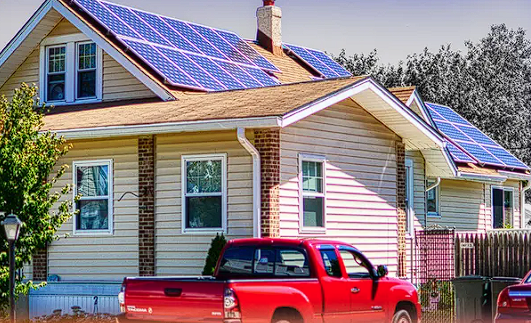
| Solar / Battery Storage | 30% of Total Cost | Residential Clean Energy Rules | Uncapped Credit |
Export to Sheets
By combining these specific line items during a single calendar year, you can maximize your total household recovery right up to the $7,500 hard cap.
Personal Sidenote: Most people miss out on the insulation credit because they think they need a massive renovation. In reality, simply blown-in attic insulation or professional weather-stripping qualifies under the current 25C tax guidelines.
How to execute the claim.
Do not trust a contractor’s verbal promise about rebates. Demand their “Manufacturer Certification Statement” in writing before they drill a single screw into your home.
Use that exact phrase. When a contractor knows you require the official EPA-certified documentation for your tax filings, they cannot substitute cheaper, less efficient units that fail to meet the strict 2026 federal threshold.
Honestly, I know what you’re thinking. You think you have to wait until next year’s tax season to see the financial benefit. You don’t. Many certified 2026 installers are now authorized to apply these federal credits directly to your point-of-sale invoice, effectively slashing thousands of dollars off your upfront project cost before you ever hand over a credit card.
Quick Reality Check
- The Myth: Renters can claim the full $7,500 structural improvement pool.
- The Fact: These specific 2026 incentives are legally tied to the property deed, meaning you must be the primary homeowner of record to qualify for the tax credits.
Lock in your structural credits before the upcoming deadline.
Federal allocation windows are strictly bound by annual budget caps, and once the 2026 residential clean energy fund hitting its maximum capacity for the quarter, the approval queues stall out for months.
Stop letting your hard-earned money leak through your roof and into the pockets of the electric company. Get online right now, use an independent home energy eligibility checker to scan your property zip code, find out exactly which upgrades qualify for immediate point-of-sale reductions, and claim your $7,500 safety net today.