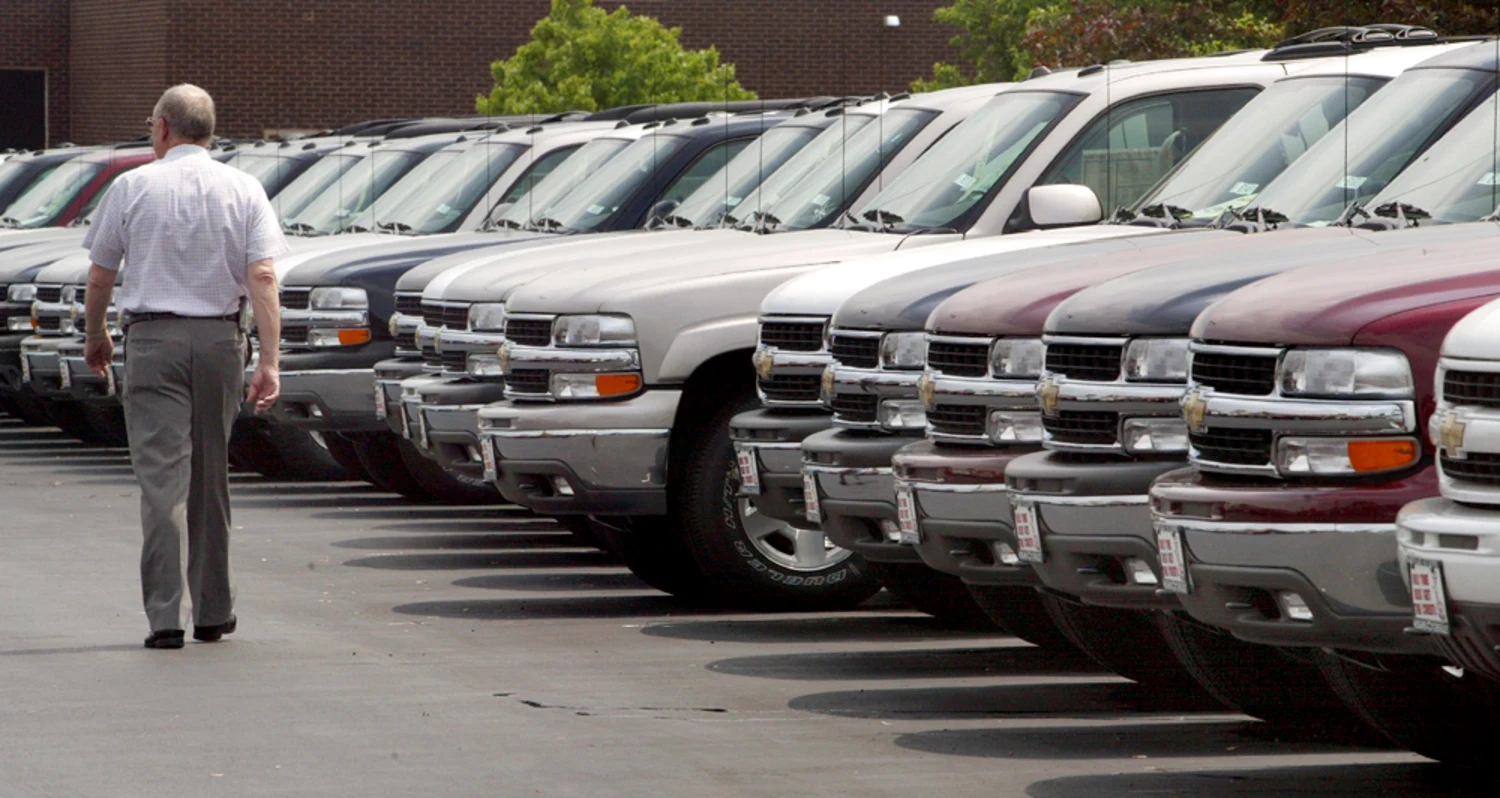
The lots are completely full.
Walk past any major commercial storage yard or industrial impound facility right now, and you will see rows upon rows of pristine, leather-interior luxury vehicles sitting completely idle under the sun. They are collecting thick layers of dust.
The system is choking.
Over the last eighteen months, soaring interest rates and aggressive, predatory auto-loaning practices crashed headfirst into a wall of consumer defaults, sparking a massive, unprecedented wave of repossession actions that completely overwhelmed the traditional infrastructure banks rely on to store their seized assets.
Personal Sidenote: I spoke with an asset recovery manager based out of Dallas yesterday afternoon. His firm is currently paying close to $45 a day per vehicle just to lease overflow asphalt spaces from private airports because their standard repossession lots hit 100% capacity back in March. They are losing money every second these cars sit there.
The part nobody talks about.
Holding assets destroys a bank’s quarterly numbers.
When a lender seizes a $60,000 vehicle from a buyer who missed their payments, that car instantly transforms from a highly profitable interest-bearing loan into a toxic, cash-draining liability on the corporate ledger book.
Look, honestly, between you and me, the institutions don’t care about making a profit on the physical steel and rubber. They want that dead weight scrubbed from their financial sheets before the federal regulators audit their liquidity buffers. If they have to dump a high-end luxury vehicle for a measly $950 just to stop paying the daily impound fees, insurance premiums, and transport overhead, their corporate accountants will authorize that write-off instantly without blinking.
Quick Reality Check
- The Myth: You need a specialized commercial dealer license to purchase these deep-discount bank repossessions.
- The Fact: New federal transparency mandates forced banks to open their internal liquidating portals directly to public digital buyers to clear out inventory faster.
Wait, it gets weirder.
The banks aren’t advertising these listings on standard consumer car websites.
Honestly, I know what you’re thinking. You assume that if a bank was selling off a premium SUV for pennies, you would see a massive billboard or a targeted social media ad popping up on your feed. It doesn’t work that way.
The lenders rely on quiet, unbranded digital clearinghouses.
They use obscure, regional asset-recovery networks that process thousands of vehicle identification numbers on automated wholesale platforms, meaning that if you don’t know the exact digital web addresses where these liquidations are being routed, you will keep paying full retail price at your local dealership while your neighbors exploit the backend system.
Stop hunting through local classifieds and start targeting the liquidation registries.
Frustration won’t put a luxury vehicle in your driveway. Ruthless, targeted action will. If you want to exploit the bank repo backlog and secure a premium SUV for under $1,000 this month, you must stop shopping like an amateur consumer and start operating like an institutional asset liquidator.
First, stay completely away from traditional used car dealerships. Those lots buy these exact same repossessed vehicles from the backend registries, add a massive 300% retail markup, and stick you with a predatory 72-month loan to maximize their own profit margins.
You need to cut out the middlemen entirely.
The liquidation priority scale.
| Backlog Stage | Pricing Floor | Availability | Mechanical Risk |
| Stage 1: Storage Overflow | $800 – $1,200 | Very High (Urban Centers) | Low (Recent Repos) |
| Stage 2: Pre-Auction Dump | $500 – $799 | Moderate (Regional Yards) | Medium (Needs Battery/Fluids) |
| Stage 3: Scrap Write-off | Under $500 | Low (Salvage Centers) | High (As-Is Parts Only) |
If you target Stage 1 overflow assets, you are hitting the absolute sweet spot where banks are desperate to slash their daily storage liabilities without sacrificing vehicle quality.
Personal Sidenote: The banks use automated clearing codes like “NPL-Immediate Liquidation” to flag vehicles that must be moved within forty-eight hours. If you monitor the live databases during the final three business days of the month, the prices drop like a stone because the managers are facing corporate deadlines.
The 3-minute procurement protocol.
Do not try to call a bank’s corporate customer service line to ask for repo lists. The front-line operators handle checking accounts and credit cards; they have absolutely zero access to the backend asset recovery databases, and they will likely assume you are falling for an internet scam.
Instead, locate a certified, unbranded online asset recovery clearinghouse that aggregates live regional bank repo inventories.
Look, honestly, I know what you’re thinking. You are worried that these vehicles are completely broken down or stripped of their value. They aren’t. Most of these SUVs were seized simply because the previous owner missed three consecutive lease payments due to sudden inflation pressures, meaning the leather seats, premium sound systems, and engine components are often in pristine condition.
Quick Reality Check
- The Myth: You have to bid against thousands of professional car dealers at physical auction blocks.
- The Fact: Modern digital liquidation portals allow you to place a direct “Buy-It-Now” cash offer on overflow inventory before the vehicle ever gets scheduled for a live public auction.
Intercept the inventory before the dealer syndicates sweep the yards.
The window to buy these premium vehicles for under $1,000 is directly tied to the current monthly default cycle. When the financial institutions clear their backlogged storage spaces, they immediately raise the pricing floor back to standard wholesale levels to protect their bottom lines.
Stop letting the big auto groups dictate what you drive. Get online right now, access a verified regional repossession liquidation tracker, input your state data, and claim a high-end luxury asset for a fraction of its true market value before the corporate algorithms recalibrate.